Texte paru dans: / Appeared in:
*
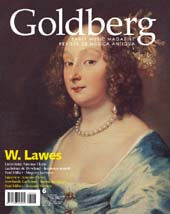
Goldberg Magazine # 6 (1999)
Goldberg a cessé de publier
avec le # 54
~~~~~~
Goldberg is no longer available.
# 54 was the last issue.
Rosalyn Tureck est de l'étoffe
des monuments vivants. Ses lectures de Bach dont la première remonte à 1937,
(elle n'avait que 23 ans!) ont affirmé une interprète authentique. On l'a
dit seul modèle véritable de Gould. La preuve est là, elle s'offre avec une
évidence remarquable. La personnalité de son jeu captive. La technique est
sûre, indiscutable. L' instinct de l'artiste est souverain. C'est bien là ce
qui dérange. L'audace imaginative, la vitalité poétique déconcertent
d'autant plus qu'à 80 ans passés, celle qui osa, pionnière dont on s'est plu
à oublier les défis visionnaires, donner les premiers récitals Bach quand
Brahms était de mise, impose, aujourd'hui davantage qu'hier, une vision
absolument personnelle. Ses Goldberg sont ouvragés par affection, avec une
pureté rare, presque de la candeur, dans une approche qui demeure intacte :
jeu construit et nuancé, intériorité intellectuelle mais émotion précise.
Pour cette quatrième lecture des Goldberg au piano, la grâce se mêle au
caractère. Tant de liberté, de renouvellement dans les tempi, d'écoute et de
sensibilité aux climats spécifiques de chaque variation agaceront. Pour
nous, ils témoignent d'une éthique musicale faite d'exigence et de
questionnement. Comment jouer Bach aujourd'hui ? La sincerité et la
profondeur du regard nous touchent. La quête de Lady Tureck souhaite établir
une philosophie de la musique. Voici donc en prélude aux futures
innombrables célébrations Bach du nouveau millénaire, une contribution
majeure.
ALEXANDRE PHAM
ALEXANDRE PHAM